Price levels serve as a fundamental concept in economics, reflecting the average prices of goods and services within an economy at a specific moment. Their significance extends beyond mere numbers; they shape consumer behavior and investment strategies. Understanding how price levels interact with inflation and economic stability is vital for stakeholders. This interplay raises critical questions about the broader implications for economic health and market dynamics, warranting further exploration into their effects.
Understanding Price Levels: Definition and Importance
Price levels represent a critical economic indicator, reflecting the average price of goods and services in an economy at a given time.
Understanding price level trends and fluctuations is essential for evaluating economic stability and growth.
These metrics provide insights into inflationary pressures, purchasing power, and overall economic health, enabling stakeholders to make informed decisions that align with their pursuit of economic freedom and opportunity.
The Role of Price Levels in Consumer Behavior
Consumer behavior is significantly influenced by prevailing price levels, as these levels determine the relative affordability of goods and services.
Price sensitivity plays a crucial role in shaping consumer choices, as individuals evaluate their purchasing decisions based on price fluctuations.
Consequently, higher price levels may lead consumers to prioritize essential goods, while lower levels often encourage discretionary spending, thereby impacting overall economic dynamics.
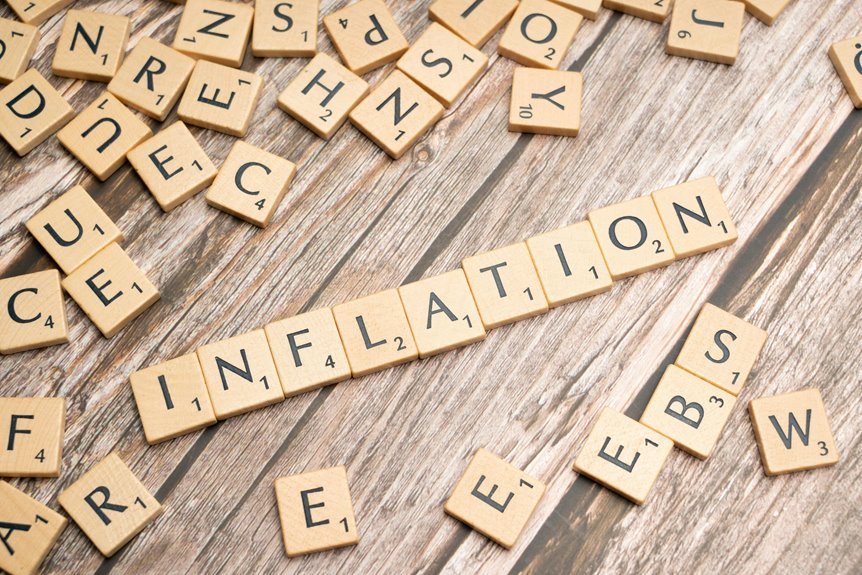
Price Levels and Inflation: A Critical Relationship
How does the interplay between price levels and inflation shape economic stability?
This relationship critically influences purchasing power, as inflation erodes real value over time.
Price elasticity affects consumer behavior, dictating how demand responds to price changes.
Understanding these dynamics is essential for economic policy, as maintaining stable price levels can mitigate inflationary pressures and enhance overall economic freedom and prosperity.
The Impact of Price Levels on Economic Stability
The relationship between price levels and economic stability is foundational to the functioning of markets and the overall economy.
Price stability fosters a predictable environment, essential for investment and economic growth. Fluctuating price levels can disrupt consumer behavior and business planning, leading to uncertainty.
Thus, maintaining price stability is crucial for sustaining economic growth and ensuring a resilient economic framework.
Conclusion
In conclusion, price levels serve as a crucial indicator of economic health, influencing both consumer behavior and inflation dynamics. As these levels fluctuate, they can provoke uncertainty, prompting stakeholders to reassess their strategies. The interconnectedness of price levels and economic stability raises a pivotal question: How will future shifts in these levels shape the landscape of investment and consumption? The answer remains elusive, yet the implications are profound, warranting close observation in an ever-evolving market environment.